

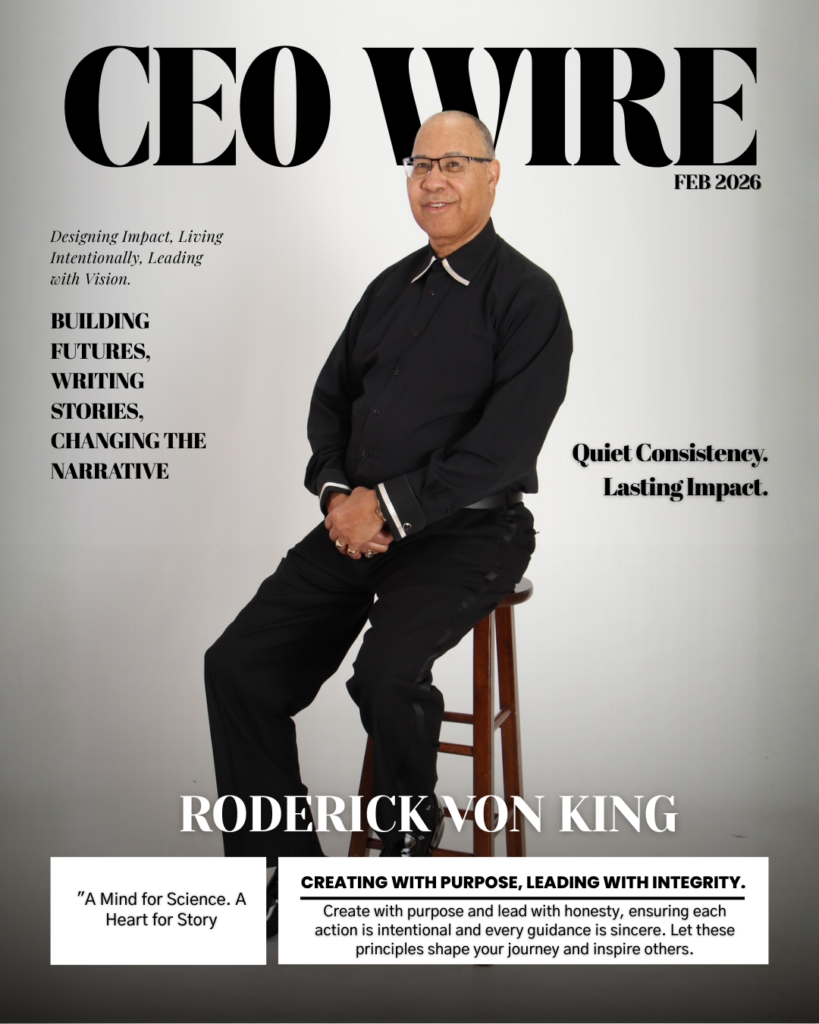
Photography by Lauren Abidin
Engineering Precision, Musical Soul, and the Courage to Create
Some careers follow a straight, predictable line. Others unfold like a jazz composition—layered, improvisational, and shaped by moments of chance. Roderick Von King’s life belongs firmly to the second category. An aerospace engineer by training, a musician by instinct, and a writer by calling, King has built a body of work that defies easy labels. His journey is not about choosing one identity over another, but about integrating discipline and creativity into a life of purpose.
From the structured rigor of aerospace engineering to the expressive freedom of songwriting and storytelling, King’s story is one of resilience, faith, and a lifelong commitment to meaningful work.
A Path Shaped by Practicality and Possibility
Roderick Von King’s professional journey did not begin with a single defining decision. Instead, it evolved through a series of practical choices, family influences, and unexpected opportunities. After graduating from Loyola Marymount University with a Bachelor of Science in Electrical Engineering, King entered the aerospace industry, recruited by Rockwell International. The promise of stability and the intellectual challenge of engineering made the decision a sensible one.
Yet even as he pursued a demanding technical career, music remained close to his heart. King had been playing since the fourth grade, and creativity was never something he could set aside. His father, recognizing both his talent and the realities of the world, encouraged him to complete his degree before fully embracing a career in music. That advice became foundational: discipline first, passion always.
Learning Music from the Inside Out
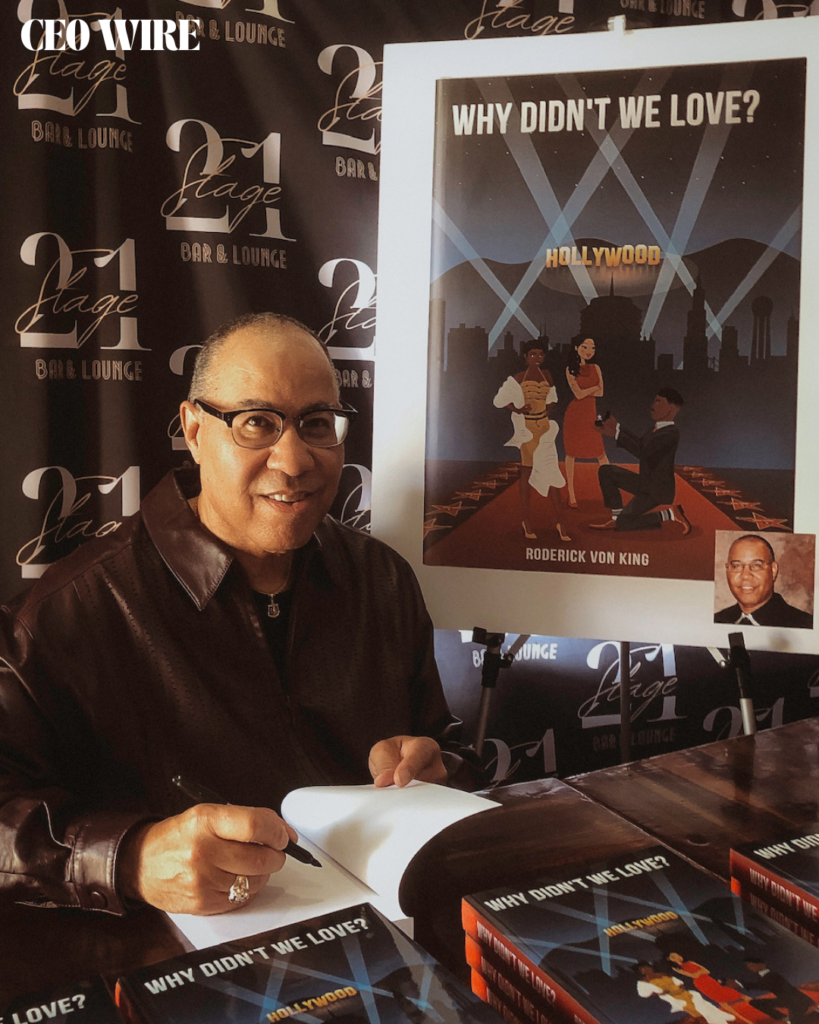
Photography by Dorcus DeWitty
While studying in Los Angeles, King’s musical education deepened through his relationship with his cousin, Gordon DeWitty—a professional musician, songwriter, and producer who is visually impaired. Acting as both collaborator and support system, King drove DeWitty to studio sessions, rehearsals, and live gigs. These experiences placed him in rooms where real music was being made, not as a spectator but as an active participant.
Through DeWitty, King was introduced to legendary artists such as Bobby Womack, Sly Stone, and Rufus & Chaka Khan. These were not distant idols; they were working artists, creating under pressure, chasing inspiration in real time. King absorbed the rhythm of studio life—the urgency, the collaboration, and the vulnerability that comes with putting art into the world.
One encounter would prove especially transformative. In 1974, King met Sly Stone in Novato, California, and discovered a shared hometown connection: both were from East Lane in Floyd Terrace, Vallejo. That bond opened doors into Sly Stone’s personal studio in Santa Monica and into moments that would permanently alter King’s creative trajectory.
The First Song and the Birth of a Writer
Opportunity often arrives quietly. On one occasion, when Sly Stone was unexpectedly absent from a scheduled studio session, King was granted access to the space. Alone with the instruments and the silence, he wrote his first song. It was a defining moment—proof that he did not merely admire creativity; he possessed it.
Around the same time, another challenge nudged him toward a different form of expression. A friend’s wife, Angela Jones, dared him to write a romance novel from a man’s point of view—one that celebrated “good brothers,” men of integrity and emotional depth. The challenge resonated. It aligned with King’s desire to tell honest stories and to create platforms where his music could live beyond the studio.
Thus began his writing career, born not from a publishing plan but from a need to express truths that felt underserved. Engineering precision, musical improvisation, and narrative honesty began to merge into a single creative philosophy.
Engineering with a Mission
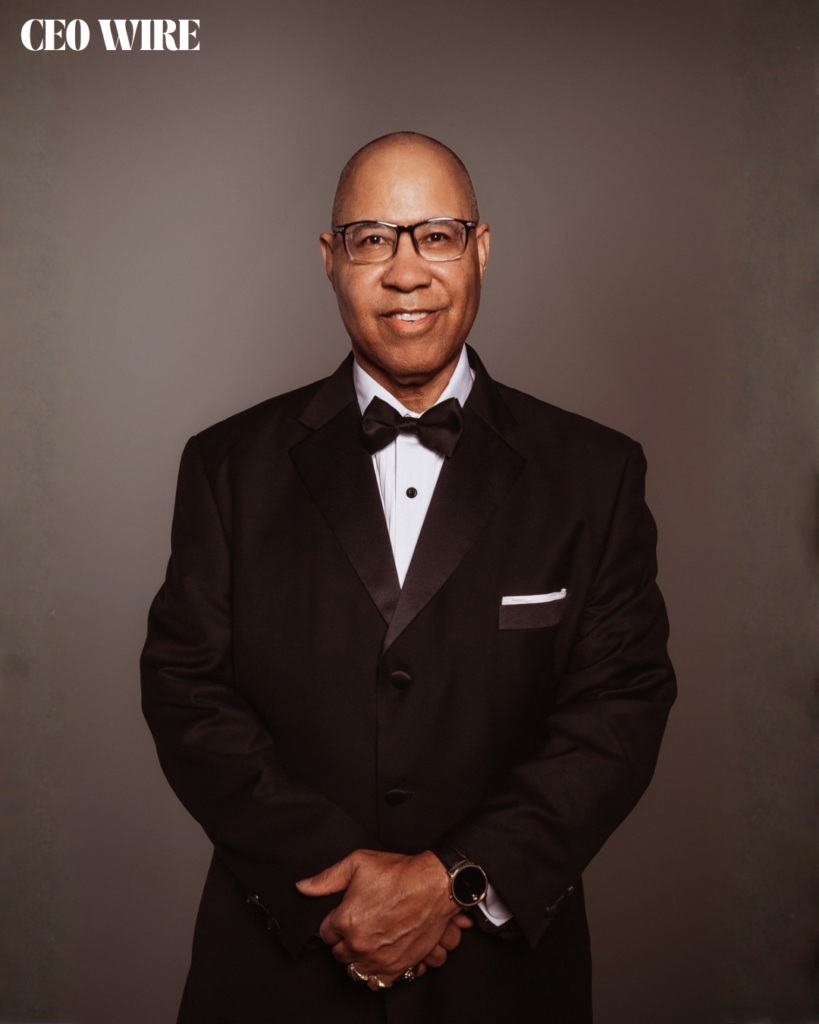
Photography by JerimIan Spencer
Despite his deep creative drive, King remained committed to aerospace engineering—not merely as a job, but as a mission. Excelling in math, science, and computers, he added a minor in computer science to his engineering degree, positioning himself at the intersection of hardware and software.
Yet his ambition extended beyond technical excellence. King sought leadership roles so he could advocate for others, particularly young engineers from underrepresented backgrounds. During his undergraduate years, he worked with the National Society of Black Engineers, counseling minority freshmen who lacked the preparation needed to survive rigorous engineering programs.
Throughout his career, King encountered systemic bias. Promotions were sometimes viewed through the distorted lens of affirmative action rather than merit, creating barriers that required both resilience and excellence to overcome. Fortunately, mentors such as Ed Brooks, Robin StClair, and Dave Hassett recognized his potential and championed his advancement.
A particularly meaningful milestone came when Robin StClair nominated King for Black Engineer of the Year around 2002. Though he did not win, attending the ceremony in Baltimore validated his efforts and reinforced his commitment to opening doors for others.
Choosing Projects That Matter
In aerospace, projects are often assigned from the top down. You solve the problems placed in front of you. King embraced that structure—but his creative work followed a different logic entirely.
Music projects begin with emotional resonance: a song that refuses to let go, an artist whose voice demands collaboration. Writing, especially screenwriting, is even more self-directed. These are stories King feels compelled to tell, regardless of timelines or guarantees.
His first novel, Why Didn’t We Love?, consumed seven years of his life. Written with the intention of eventual adaptation for film, it was not just a book—it was a world. Since then, he has begun four additional screenplays, including one inspired by his father’s experience during the Vietnam War, a deeply personal narrative he felt morally bound to explore.
Faith, Discipline, and Daily Purpose
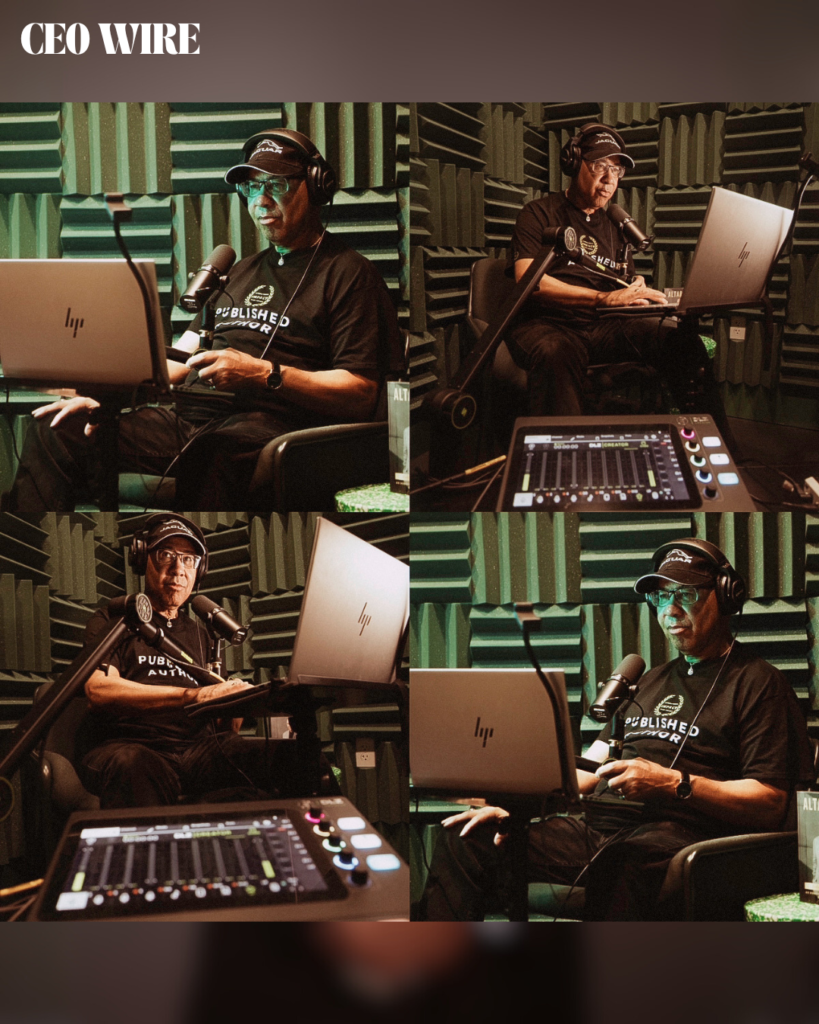
Photo taken with Roderick Von King iPhone
At the center of King’s life is faith. He begins each day with prayer, asking God to order his steps. This spiritual grounding is paired with practical discipline: task lists, structured goals, and an unwavering commitment to follow through.
For King, inspiration is not a fleeting emotion—it is a daily practice. Creativity, like engineering, requires consistency. Showing up matters.
Redefining Success
To Roderick Von King, success is not defined by titles, income, or applause. It is measured by integrity, craftsmanship, and impact. Success means seeing an idea through with honesty and discipline, whether that idea becomes a song, a book, or a business.
Equally important is multiplication. King believes success grows when it creates opportunities for others—through mentorship, advocacy, and representation. Helping others rise is not separate from achievement; it is proof of it.
Resilience plays a central role as well. Failure is not an endpoint, but a lesson. Freedom—the freedom to create, to choose meaningful projects, and to live aligned with one’s values—is the ultimate reward.
Milestones That Marked the Way

Photography by Lauren Abidin
In engineering, King’s first performance-based bonus confirmed that his work was seen and valued. In writing, recognition came with the International Impact Book Award for Why Didn’t We Love? in the romance category—a moment that led to being named IIBA Author of the Year 2025 for romance.
These milestones did not change who he was; they affirmed who he had always been.
Looking Ahead: Stories Still to Be Told
King is currently working on his third novel, Last Night in Trinidad, the second installment in a planned trilogy centered on the character Bobby Vail. Drawing from his experiences during Trinidad’s Carnival season, the book weaves together music, culture, festivals, panorama competitions, and the vibrant world of Soca.
Told partly through songs King himself has written, the project blends lived experience with fiction, celebrating Caribbean artistry and community through an insider’s lens.
Advice for the Next Generation

Photography by Lauren Abidin
The most influential advice King received came from his father: be your own person and resist peer pressure. That guidance kept him focused and grounded. Later, a seminar with John Grisham reinforced another truth: writing is rewriting.
Above all, King emphasizes the power of story. Whether in music or literature, a great story endures—even when imperfectly executed. A weak story cannot be saved by polish alone. Research your audience, choose a theme that resonates, and commit fully to telling it well.
A Life Integrated, Not Divided
Roderick Von King’s life is proof that engineering precision and creative expression are not opposites—they are complements. His work across aerospace, music, and literature is unified by a single principle: do meaningful work, and do it with integrity.
In blending structure with soul, discipline with imagination, King has not only built a career—he has built a legacy still unfolding.