

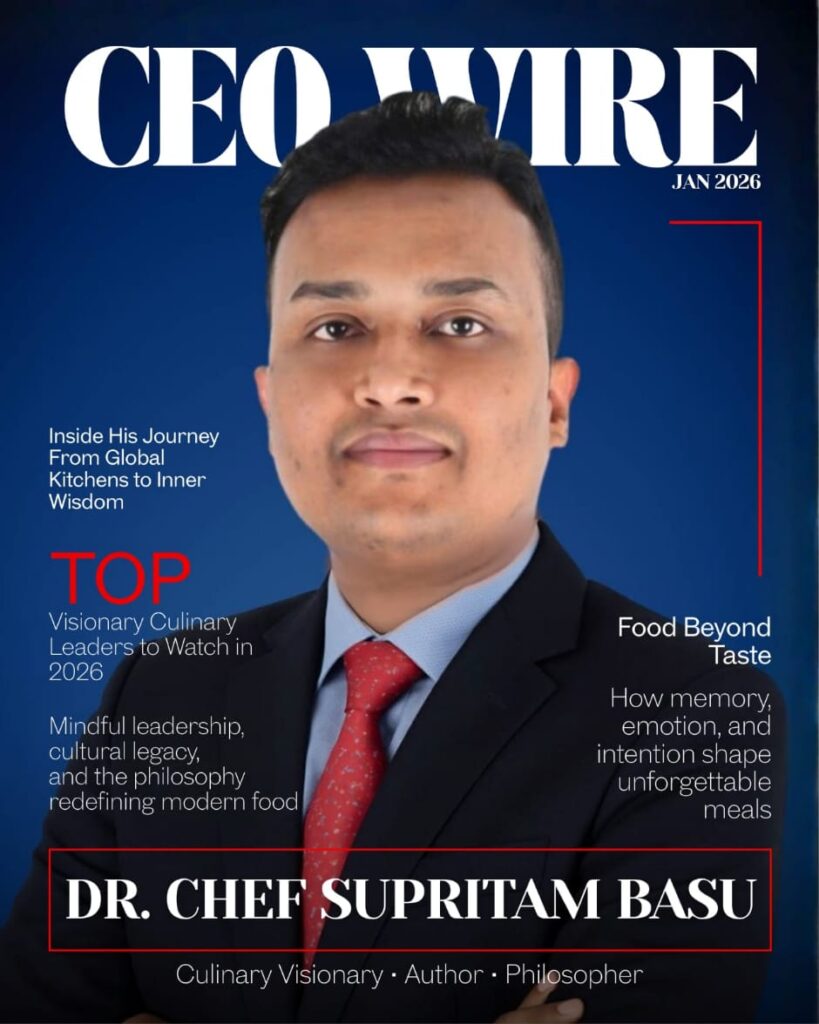
When Silence Becomes Influence
In a world obsessed with visibility, Dr. Supritam Basu has built influence through absence—absence of noise, ego, and theatricality. While the culinary industry often glorifies speed, aggression, and constant reinvention, Dr. Basu’s work unfolds quietly, almost invisibly, yet leaves a lasting imprint wherever it touches.
He is not a chef in the conventional sense. He is not chasing trends, viral moments, or dramatic plating designed for screens. Instead, he operates at a deeper frequency—where food becomes a form of dialogue, leadership becomes an inner discipline, and kitchens become spaces of awareness rather than anxiety.
As 2025 approaches, Dr. Basu stands out not because he demands attention, but because his philosophy answers a growing global fatigue. People are no longer asking, What’s new?
They are asking, What’s real?
Beyond the Plate: Food as an Emotional Experience
For Dr. Basu, food has never been about indulgence alone. Taste, texture, and technique matter—but only as vehicles for something more essential.
He believes every dish carries an emotional signature. Whether consciously or not, the state of mind of the cook is transferred into the meal. Food, in his view, is energy made edible.
This belief reframes the kitchen entirely. Cooking is no longer a mechanical process or a performance under pressure. It becomes an intentional act—one that asks a simple but powerful question:
What does this meal leave behind in the person who eats it?
Comfort? Calm? Joy? A sense of being seen?
That question defines his work more than any accolade or title ever could.
An Upbringing That Valued Stillness Over Noise
Dr. Basu was born on May 6, 1991, in Jodhpur, Rajasthan—a city shaped by desert landscapes, restraint, and resilience. Raised in an Indian Army family, his childhood was not filled with overt emotional expression or indulgence. It was shaped instead by discipline, routine, and a strong moral compass.
From his father, he learned that leadership does not need to assert itself loudly. Calm decision-making, ethical consistency, and emotional steadiness were not taught as lessons—they were lived daily.
Authority, he observed, comes not from control but from trust.
At home, however, another education was unfolding—one rooted in warmth rather than structure.
The Kitchen as the First Classroom
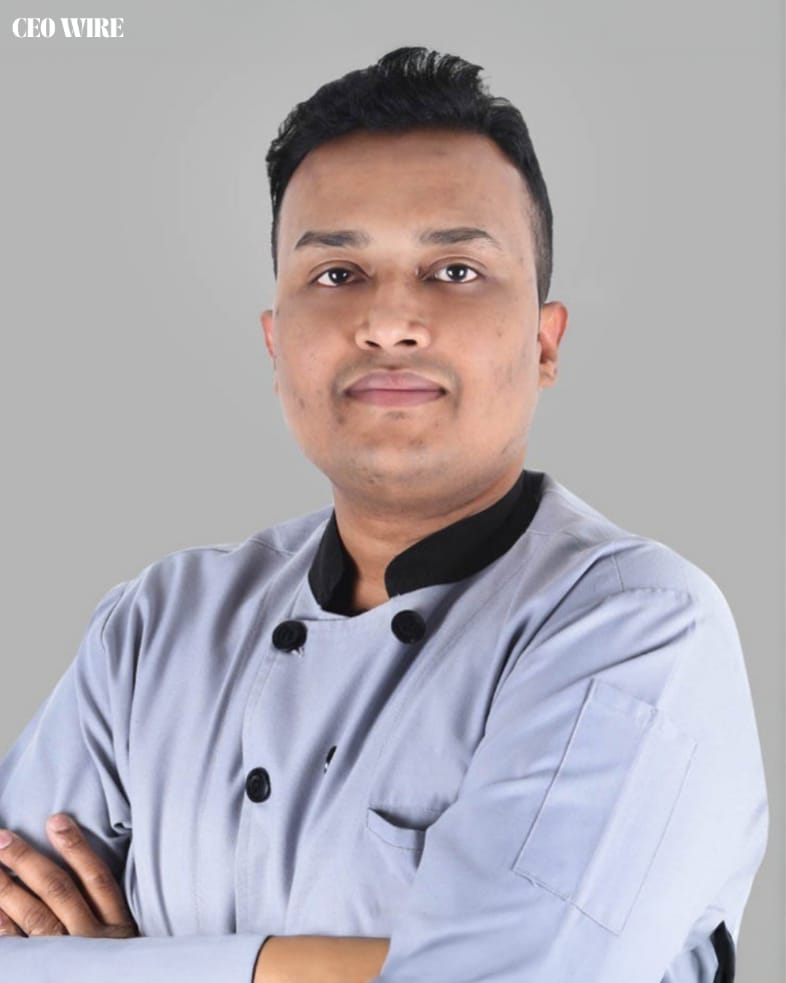
If his father taught him composure, his mother taught him care. Food in their home was never transactional. Meals were prepared with attentiveness, patience, and an unspoken understanding that nourishment was emotional as much as physical.
But it was his grandmother who shaped his deepest culinary insight.
Watching her cook in silence during early mornings, he noticed something rare: complete presence. No urgency. No distraction. Just focus, repetition, and respect for the process.
Those moments revealed a truth that would later define his philosophy:
The soul of food is not in complexity—it is in attention.
From that point on, cooking became sacred in his eyes. Not dramatic. Not mystical. Sacred because it required sincerity.
Learning Cultures by Listening, Not Conquering
Dr. Basu’s professional journey spans multiple continents, but he never approached global cuisine as territory to be mastered. He traveled as a listener, a student, and an observer of human behavior around food.
In Korea, he encountered an uncompromising respect for discipline—where mastery is earned through repetition and humility.
In Qatar and Oman, he experienced hospitality not as service, but as honor—where feeding someone is an act of dignity.
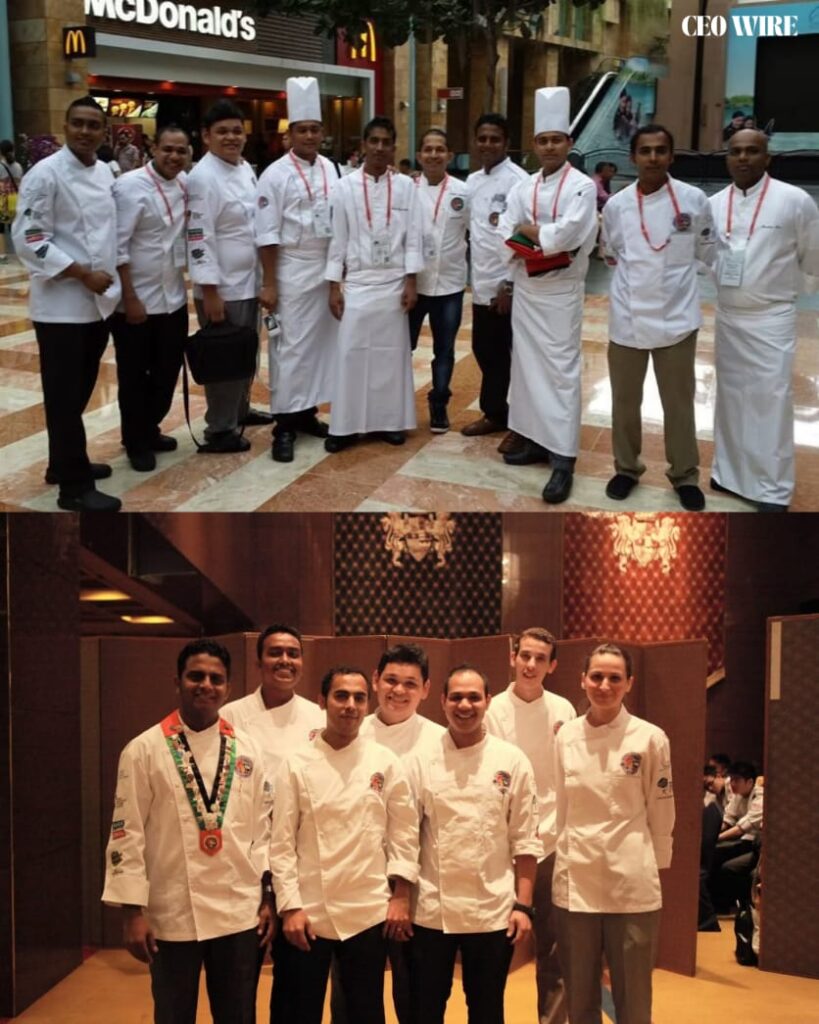
Singapore sharpened his understanding of precision, structure, and leadership under intense pressure.
South Africa revealed how food carries resilience, joy, and collective memory even in the face of complexity.
Each culture reinforced a simple realization:
People may cook differently, but they eat for the same reasons—to belong, to connect, and to feel cared for.
This worldview echoes the ancient Indian principle of Vasudhaiva Kutumbakam—the world as one family. For Dr. Basu, this is not philosophy. It is daily practice.
Redefining Leadership Inside the Kitchen
Professional kitchens are notorious for fear-based discipline. Loud commands. Rigid hierarchies. Emotional burnout disguised as excellence.
Dr. Basu consciously dismantled that model.
His kitchens operate on clarity, not chaos. Expectations are precise. Standards are non-negotiable. But fear has no role.
Before service begins, his teams pause—not for motivation, but for alignment. A moment of silence. A shared breath. A reset of intention.
This is not ritual for appearance. It is functional psychology.
When minds are centered, decisions are cleaner. When people feel emotionally safe, accountability increases. Creativity, he believes, cannot exist in constant threat.
Mentored by Chef Ponraj Daniel, Dr. Basu learned that integrity is the truest form of authority. Leadership, in this sense, is not about visibility—it is about reliability.
Success Without the Addiction to Applause
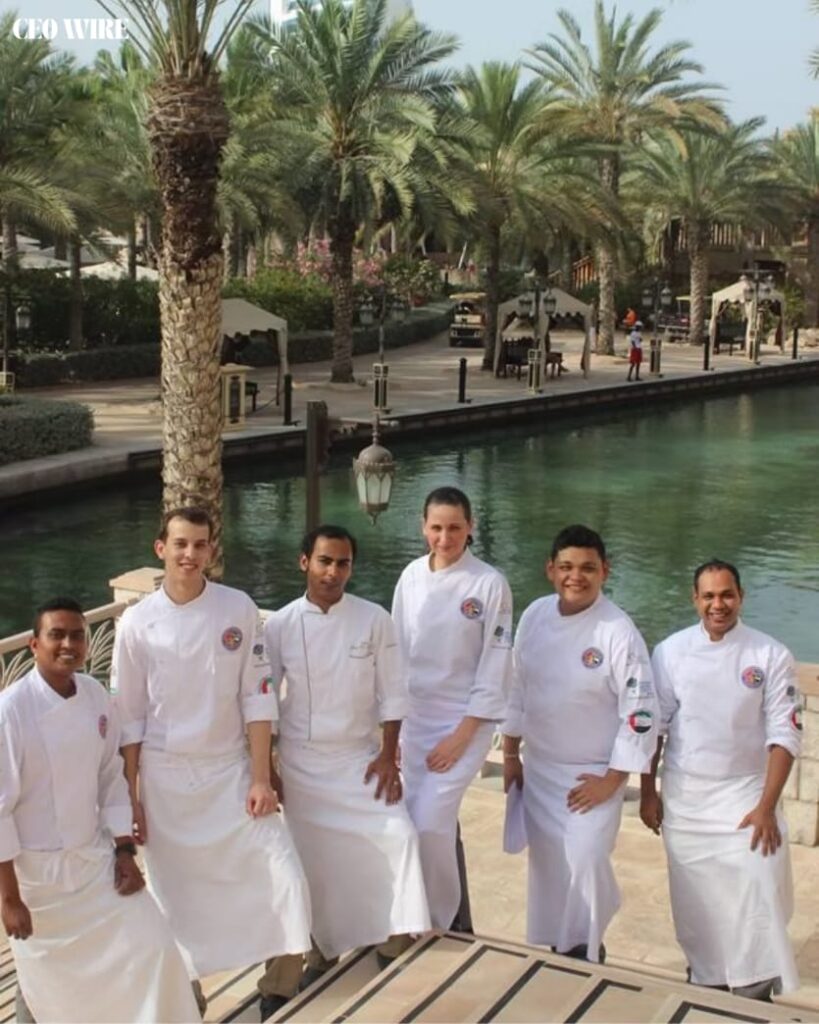
Despite working across continents and earning recognition, Dr. Basu remains largely indifferent to external validation. Awards, he believes, are timestamps—not legacies.
What matters is who people become under your leadership.
Did they grow steadier? More aware? More ethical? More confident in silence?
If the answer is yes, then success has occurred—even if no one applauds.
This mindset places him at odds with an industry increasingly driven by metrics, branding, and personal visibility. Yet it is precisely this resistance that makes his influence durable.
Writing as a Second Language of Service
Dr. Basu’s ideas do not end in the kitchen. Writing has become another medium through which he explores human growth, consciousness, and discipline.
Each of his books reflects a different dimension of his thinking:
- Accidental Chef examines how purpose often emerges through uncertainty rather than planning.
- Forgotten Flavours of Bengal preserves cultural memory and honors domestic wisdom over commercial narratives.
- Does the Mind Shape Reality? explores the role of thought and intention in creation.
- The Sacred Journey reframes pressure as a teacher rather than an enemy.
- Embracing Joy presents happiness as a practiced skill, not a passive outcome.
- The F@@cking Mind challenges comfort, excuses, and self-deception with unapologetic honesty.
Together, these works form a cohesive inquiry:
How does a human being evolve when awareness replaces reaction?
SupritamOne: Mentorship Beyond Technique
Through his initiative, SupritamOne, Dr. Basu mentors young professionals not just in culinary skills, but in character.
He teaches that talent without grounding leads to burnout. That ambition without ethics leads to emptiness. That speed without awareness leads nowhere.
Success, as he defines it, is steady. Ethical. Purpose-driven. Quiet.
In a generation overwhelmed by comparison and instant validation, this mentorship offers something rare—orientation.
A Philosophy Built on Depth, Not Disruption
Dr. Basu does not believe the future of food lies in abandoning tradition for innovation. He sees sustainability, culture, and consciousness as inseparable.
Technique can evolve. Tools can change. But intention must remain anchored.
He envisions future chefs as cultural stewards—individuals fluent not only in flavor, but in psychology, history, and responsibility.
Food, in this future, is not entertainment.
It is care, memory, and leadership in action.
Why Dr. Supritam Basu Matters in 2025
The world is tired of performance.
Tired of noise.
Tired of leaders who speak loudly but listen little.
Dr. Supritam Basu offers an alternative.
He reminds us that depth lasts longer than trends. That leadership begins internally. That creativity grows in stillness. And that food, when prepared with awareness, nourishes far more than the body.
He is not shaping menus alone.
He is shaping people, cultures, and the emotional intelligence of kitchens across borders.
And he does it without spectacle—
One intention, one meal, and one moment of presence at a time.